AI case analysis alongside your veterinary knowledge and experience
VetPilot brings clinical data, laboratory results and veterinary references together for faster, structured case review and identification of differentials to investigate.
- Rapid, structured case analysis
- Recommendations based on scientific references
- With final veterinary oversight
Features that simplify your work
AI case analysis
Clinical signs, laboratory results and patient history are reviewed together to provide likely differentials and recommended actions.
Fast, centralized access
All patient information, cases and reports are available in one organized, searchable workspace.
Recommendations based on evidence
Each interpretation cites veterinary references so you can assess its accuracy yourself.
Review and discussion
Ask about the interpretation and rerun the analysis as new information becomes available.
How does it work?
- 1
Record information
Enter clinical signs, examination findings and laboratory results.
- 2
AI analysis
VetPilot provides an analysis and likely differentials.
- 3
Informed decision-making
Review the output and make the final decision using your knowledge and experience.
Trust, transparency and veterinary oversight
- VetPilot is an assistive tool; the final decision always rests with the veterinarian.
- Recommendations are transparent and reviewable, with references and rationale.
- Patient data privacy and security are maintained to the highest standards.
- Designed in accordance with veterinary professional standards and ethics.
Frequently asked questions
Does VetPilot replace veterinary judgment?
No. VetPilot provides an assistive interpretation for specialist review; clinical decisions always remain the veterinarian’s responsibility.
Which patients can be analyzed with VetPilot?
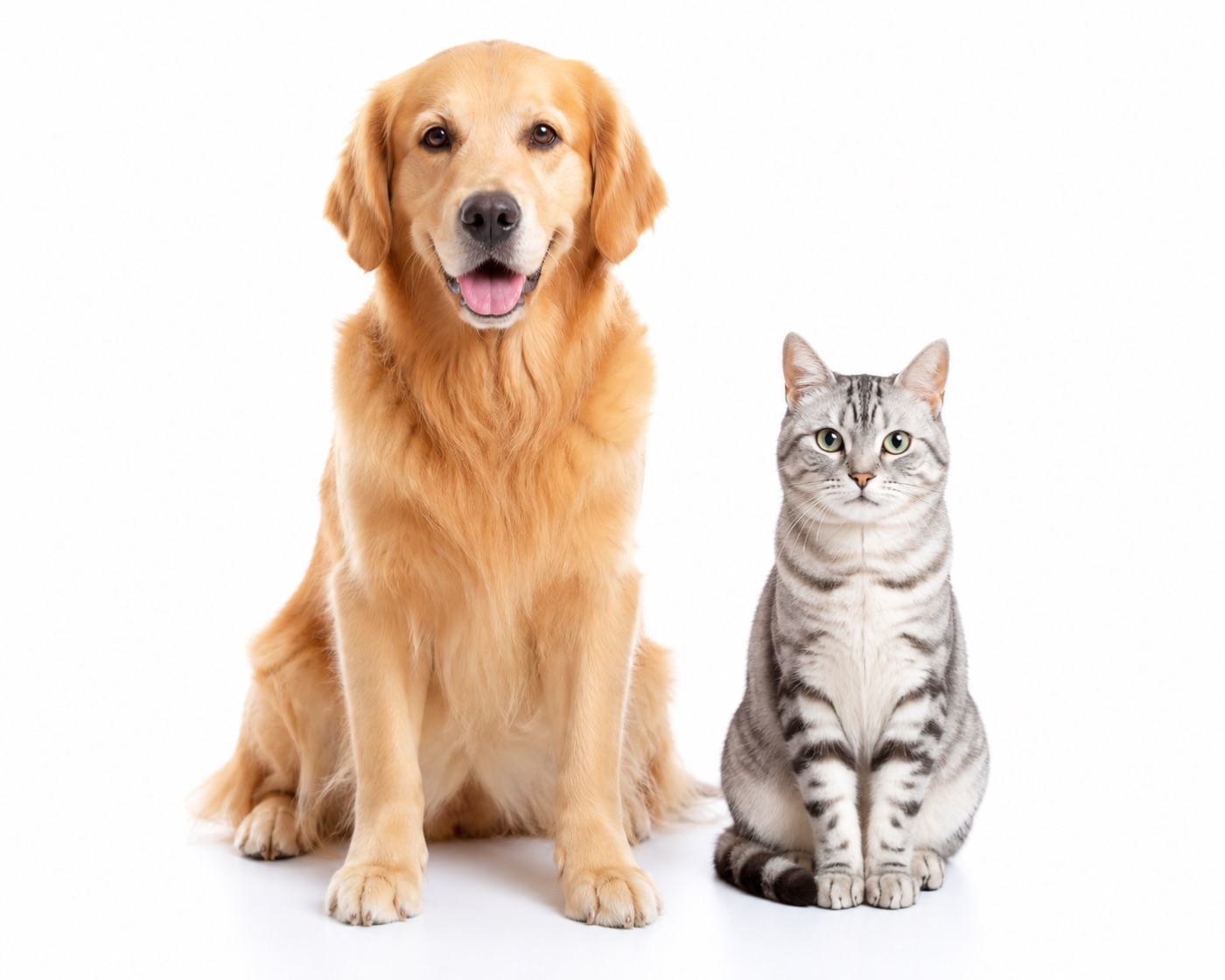
The current focus is dogs and cats, but case records are designed to support other species and veterinary disciplines in future.
How is patient information protected?
Case access is controlled by user role, and clinical data is not stored or shared outside the processes required for analysis.